


 |
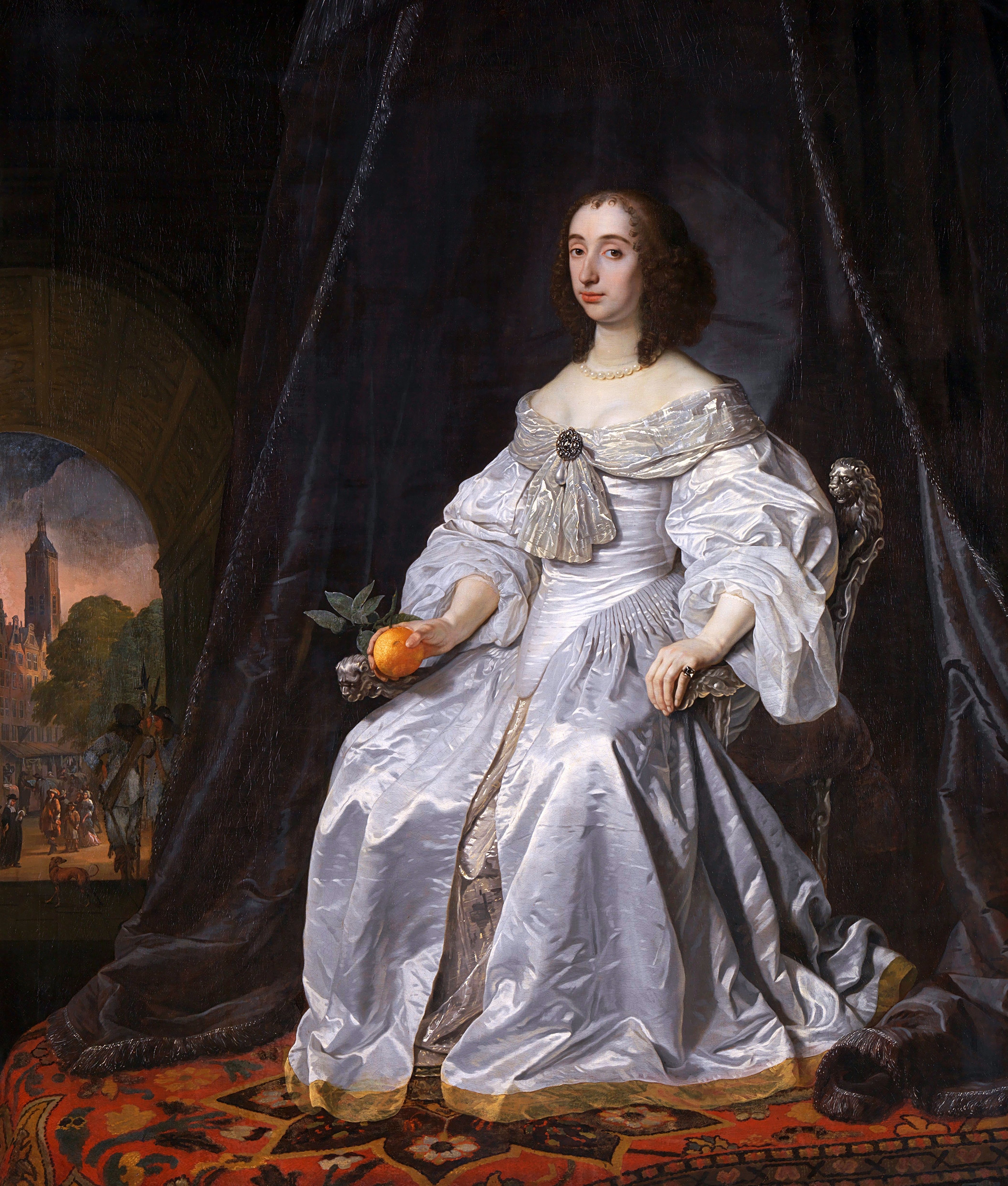
| Mary of Great Britain and Ireland |
From Country Life:
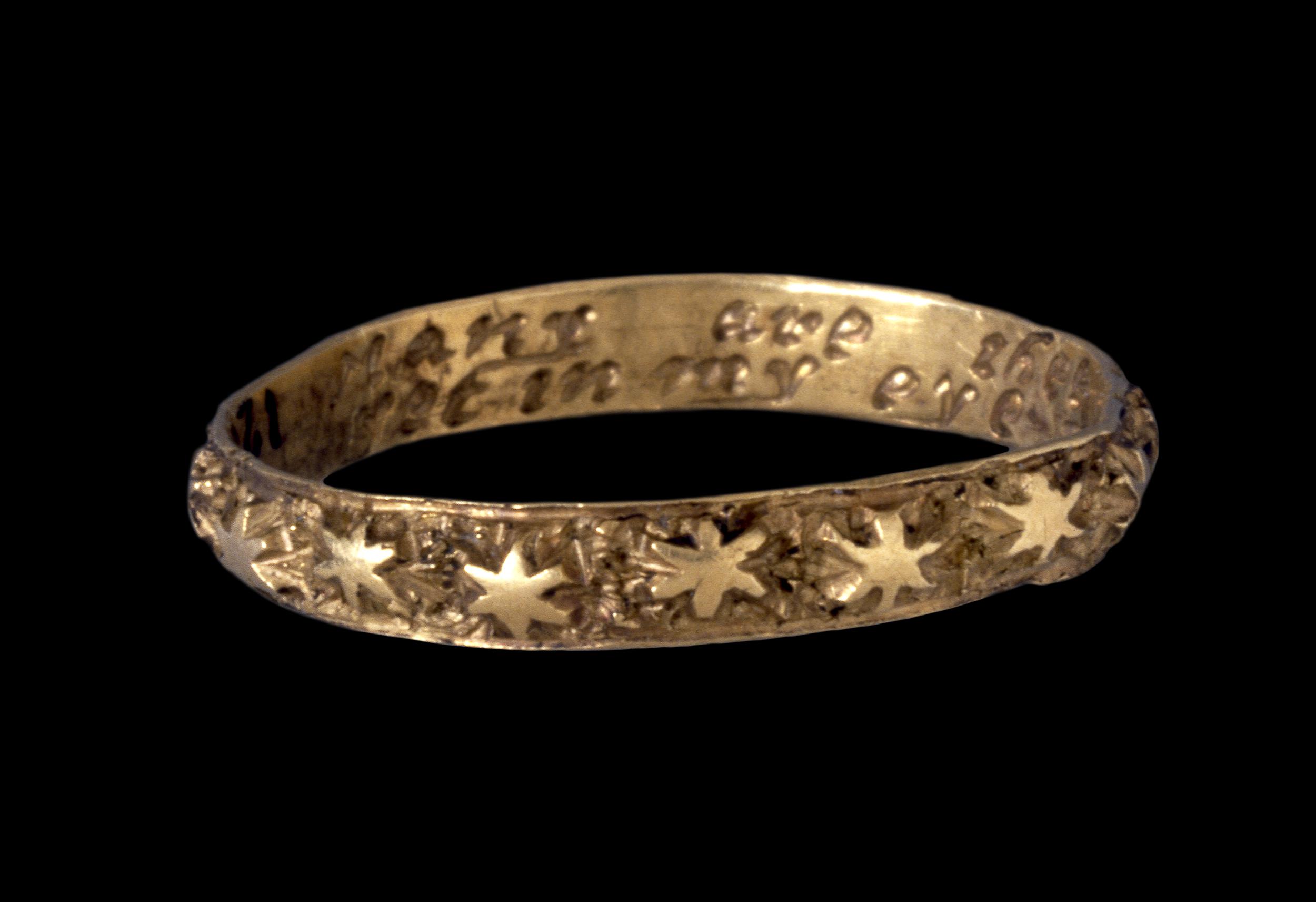
Gold rings with poesies (‘little poems’) — poésie being the Old French for ‘poetry’ — quickly became the single most popular type of jewellery in the country. They were exchanged by lovers, would-be lovers, family members and best friends, but their most common use was as a betrothal or wedding ring. Henry VIII gave a posy ring to Anne of Cleves inscribed: ‘God send me well to kepe.’ William of Orange gave one to Princess Mary inscribed: ‘I’le win and wear you if I can.’ Jewellers used to keep a stock of blank rings, and booksellers promoted inspirational handbooks, such as Loves Garland or Poſies for Rings, which was published in 1624.
I was still in my teens when a friend of my mother’s showed me his collection of posy rings. I was transfixed by their beauty — the soft, almost pure yellow gold, the finely wrought decoration (flowers, leaves, hearts and other symbols) and the elegant script, but what really fascinated me were the inscriptions. ‘I like my choyce.’ ‘True love appears/In midst of tears.’ ‘God has brought to pass that which unlikely was.’ It was as if I were listening to the voices of the long-dead givers and receivers.
The physical appearance of posy rings changed over time. Lombardic script was replaced by Gothic script, which, in turn, gave way to Roman capitals and then italics. Earlier rings carried much more decoration, too. Niello — a hard black paste — was used to fill in the letters and the costlier rings were enamelled in bright colours. The language of courtly love was, of course, Norman French (‘sans de partier’ or ‘without parting’) although some poesies were in Latin (‘Non Auri Sed Amor’ or ‘not gold but love’) and others in a sort of proto-franglais (‘Autre ne wile and evere you best’, which hardly needs translating). Later, they were almost all in English. (Read more.)








No comments:
Post a Comment