


From The Collector:
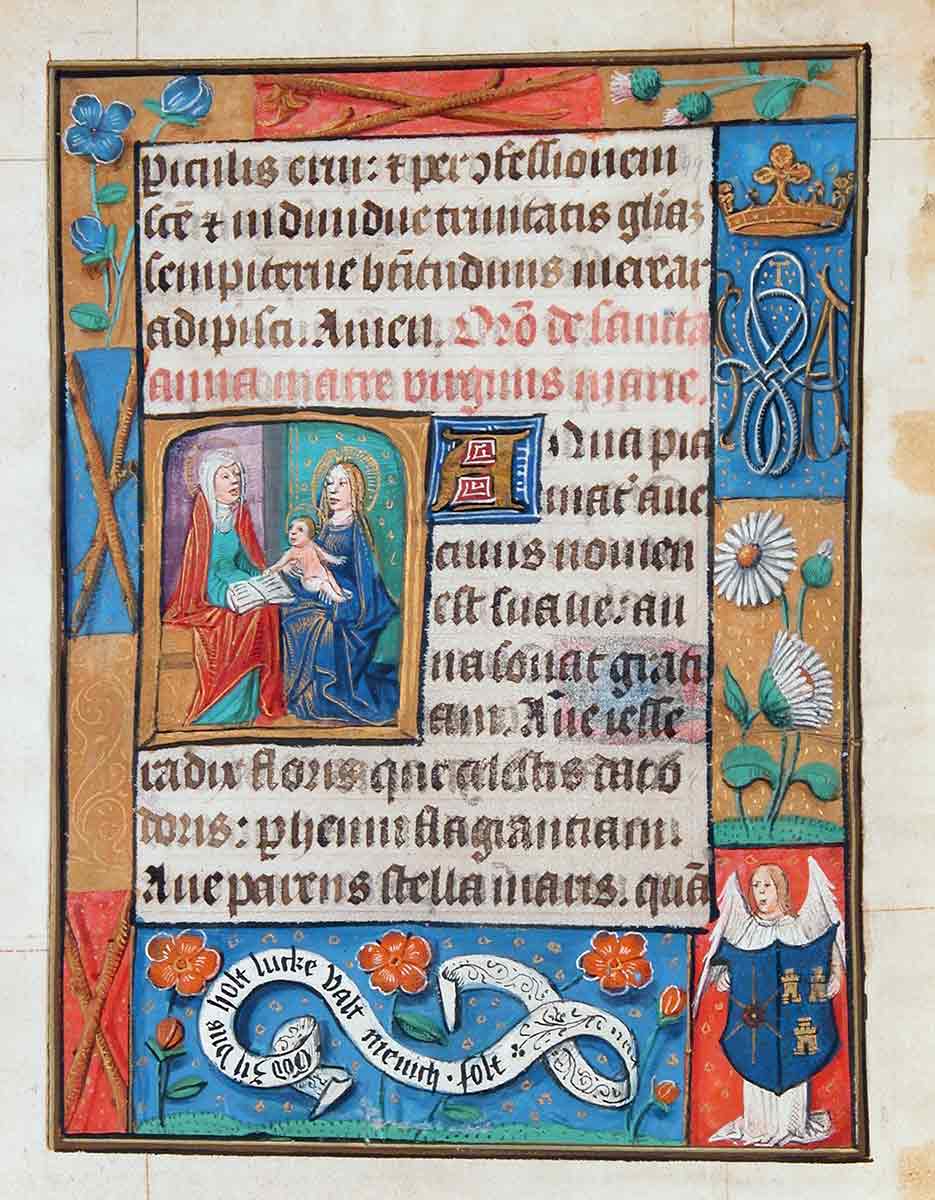
ShareBefore we wrote things down on paper, we passed them down through oral tradition. Ancestral lineages, mythologies, folk tales, and songs were the sort of thing you might expect to hear recited around the hearth each night. Eventually, trade records were inscribed on stone or papyrus: the very first receipts. As cultures began to create more symbols representing phonetic sounds, more things were recorded. By the 14th century, a wealth of information was available in the form of a book. But who wrote them? Let’s learn about medieval scribes.
So, what is a scribe? “Scribe,” a contemporary word derivative of the medieval scrībere, or “to write,” was a person whose entire life’s work consisted of copying texts. The beauty of the scribe is in its diversity: a monk or nun could be one as an act of devotion, a literate tradesperson could be one for commission, even a creative courtesan could become a scribe if they had the means.
Where you were writing and who the work was commissioned for largely dictated the content of the work. For example, a monastery would likely be commissioned to write a large religious text, whereas a private scribe could be commissioned to copy secular works, such as Roman de la Rose, one of the most popular stories of the period. In some unique cases, the scribe had complete creative liberty over the content as well as the style of the manuscript. (Read more.)









No comments:
Post a Comment